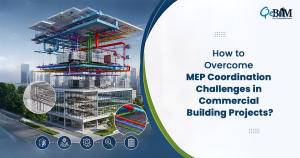
Commercial construction projects are becoming increasingly complex. Modern office buildings, hospitals, airports, hotels, shopping malls and data centers requires extensive MEP systems that must operate…

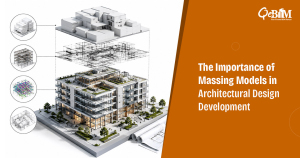
Introduction In contemporary architectural practice, early-stage decision-making has become increasingly data-driven, visual and performance-oriented. Before the detailed drawings, construction documents or material specifications are developed,…
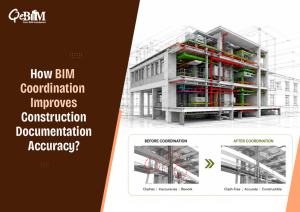
Introduction Construction projects today are becoming increasingly complex, involving multiple disciplines, tighter schedules and higher expectations for accuracy. Yet, one challenge continues to affect project…
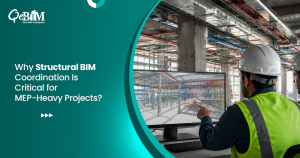
In today’s complex construction environment, structural and MEP systems are more interconnected than ever. High-rise buildings, hospitals, industrial facilities, airports and commercial developments often involves…
Introduction: Construction projects today are more complex than ever—multiple stakeholders, tight timelines, global supply chains along with the increasing reliance on the digital workflows. Yet,…
Introduction In today’s fast-paced construction environment, steel structures form the backbone of complex commercial, industrial, and infrastructure projects. However, despite advances in design and fabrication,…
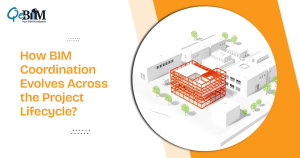
Introduction BIM coordination is not a one-time task—it is a structured, phase-wise process that aligns the architectural, structural and MEP systems throughout a project’s lifecycle.…
In complex AEC projects, RFIs (Requests for Information) and change orders are more than just the administrative hurdles—they are direct indicators of the coordination gaps,…