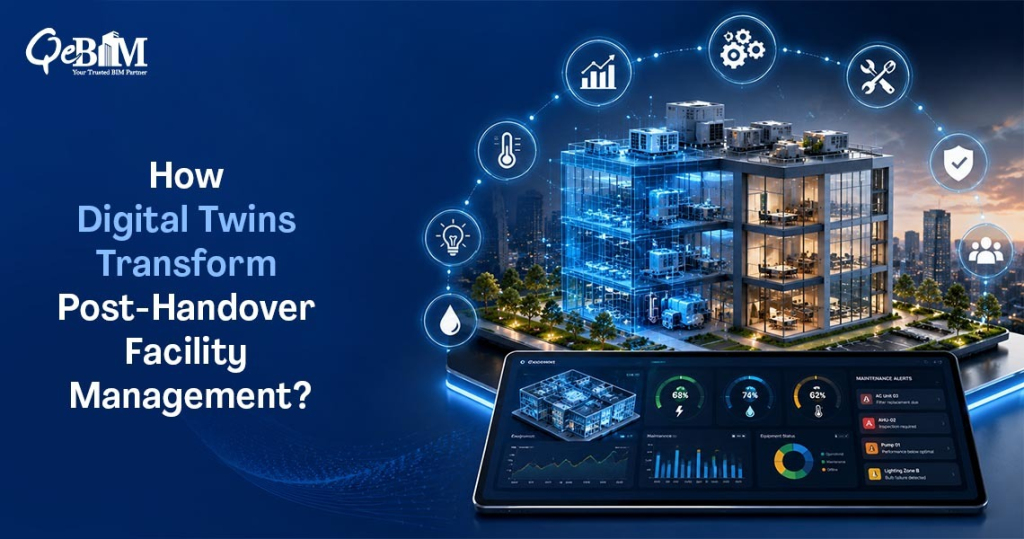
A building’s operational life can span decades, yet the information required to operate it is often fragmented immediately after the handover. As-built drawings may sit…

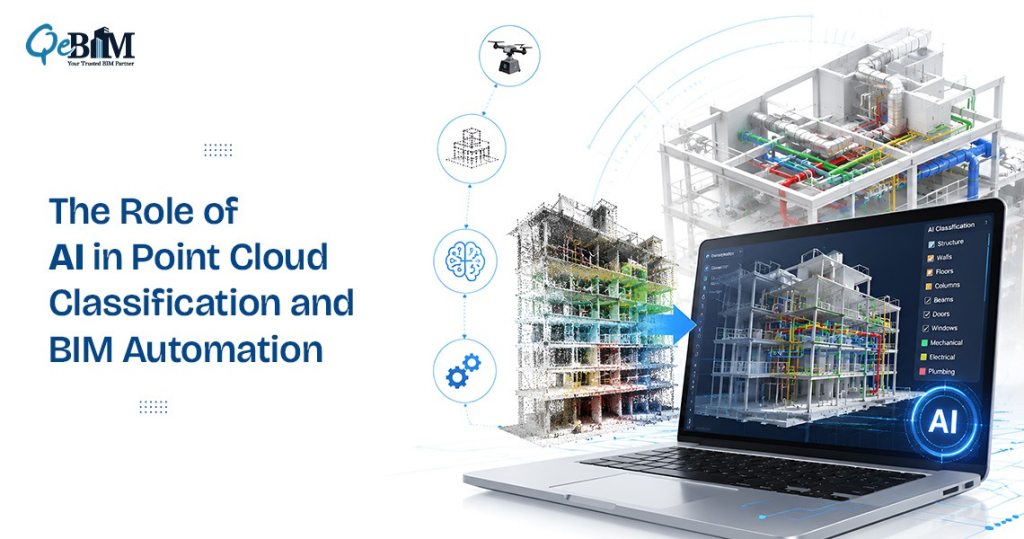
Point clouds is an important medium of reality-capture data for the AEC industry. Generated through the terrestrial laser scanning, mobile LiDAR, photogrammetry or other reality-capture…
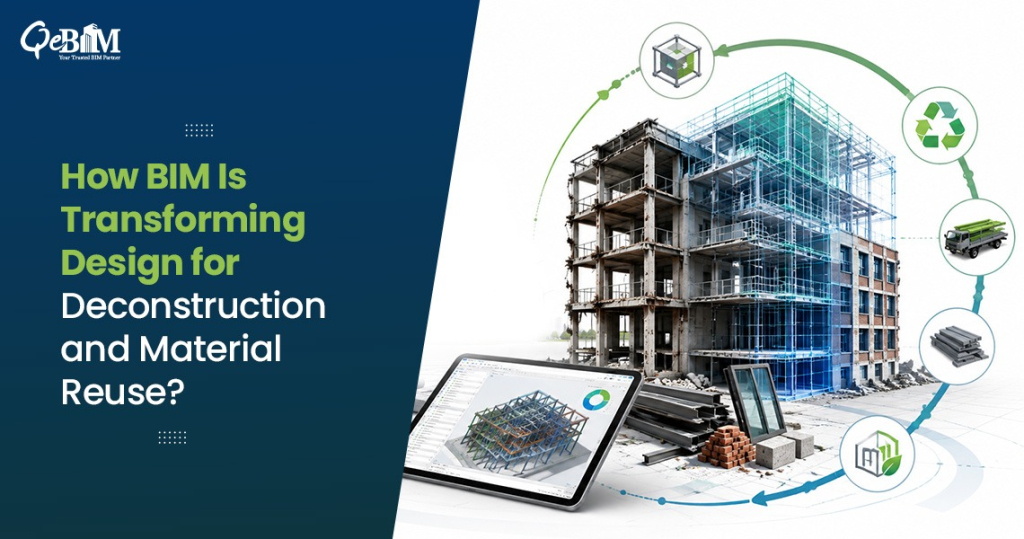
The construction industry has traditionally followed a linear model: extract → manufacture → construct → use → demolish → dispose. But growing pressure to reduce…
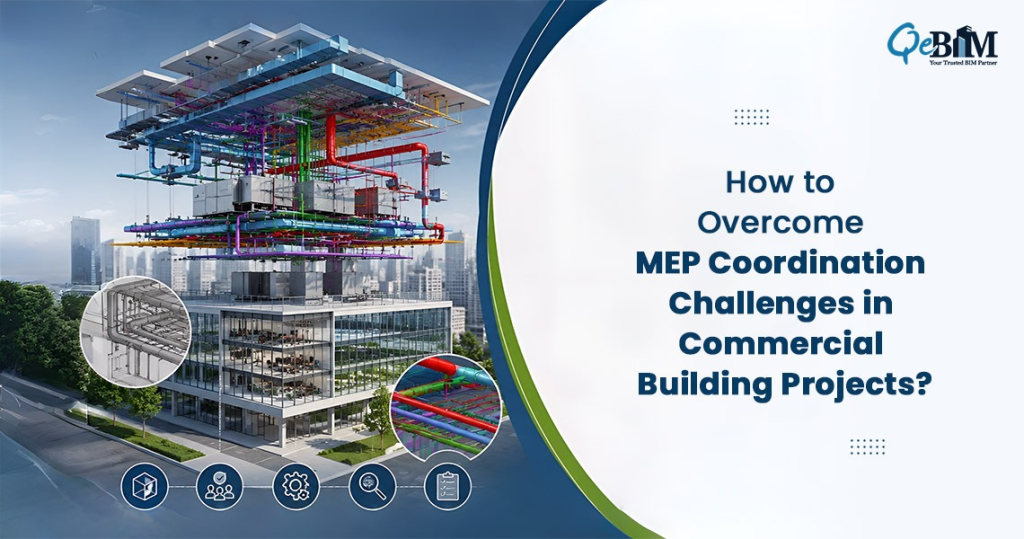
Commercial construction projects are becoming increasingly complex. Modern office buildings, hospitals, airports, hotels, shopping malls and data centers requires extensive MEP systems that must operate…
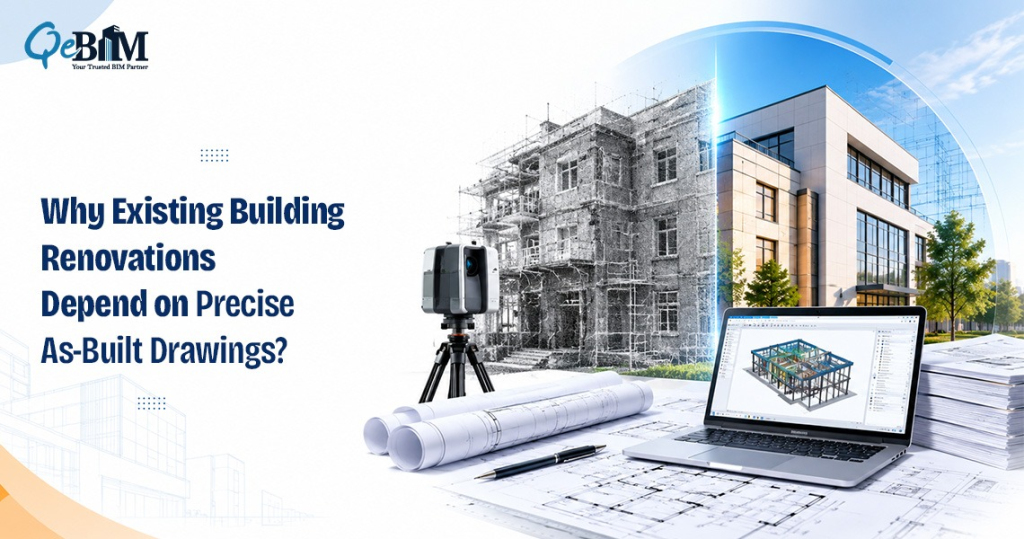
Renovating an existing building is fundamentally different from constructing a new one. Unlike new developments where every structural element is designed and documented before the…
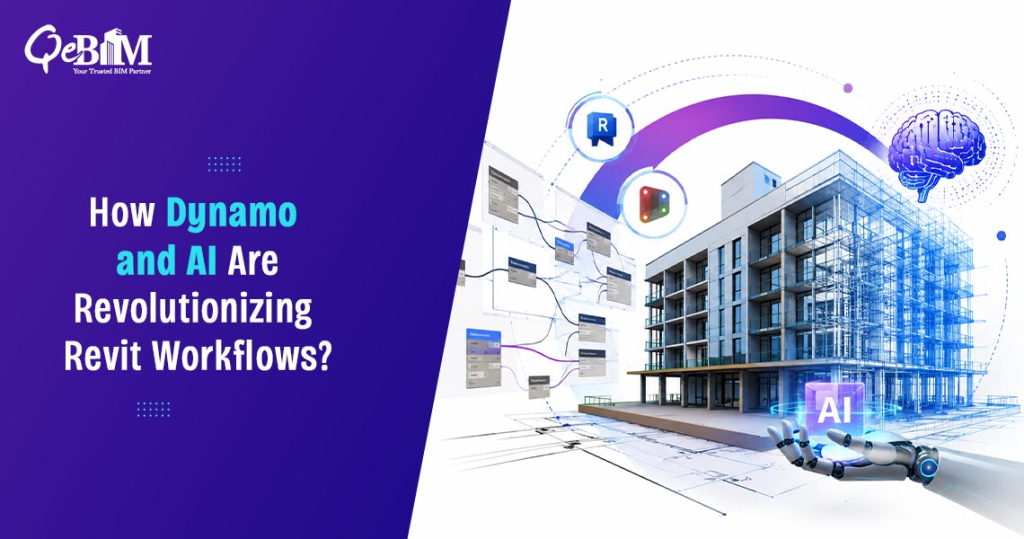
Introduction BIM has transformed how the AEC professionals design, coordinate and delivers the projects. However, as projects become more complex, BIM teams spend a significant…
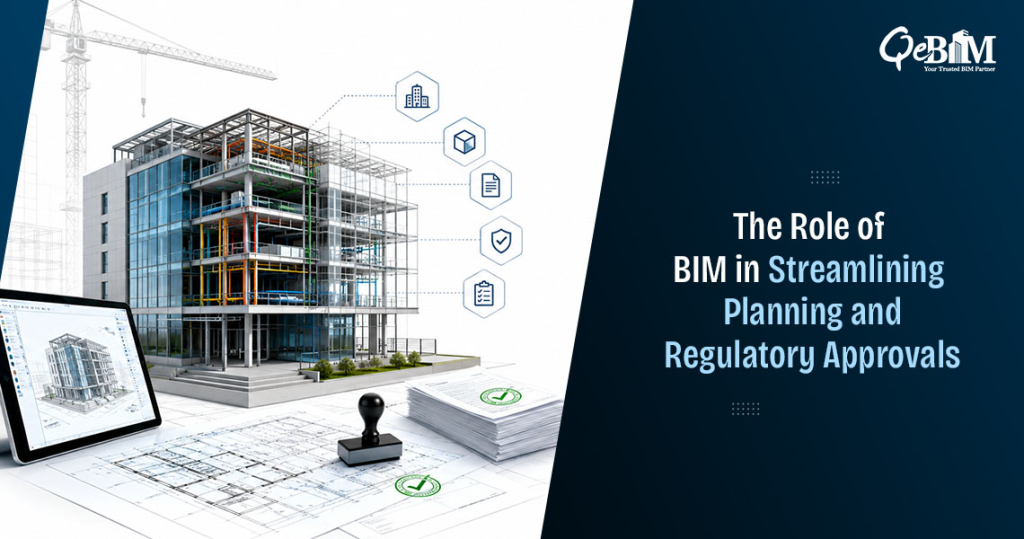
Introduction Planning approvals and permit submissions are critical milestones in every construction project. However, delays caused by incomplete documentation, design inconsistencies, code compliance issues and…
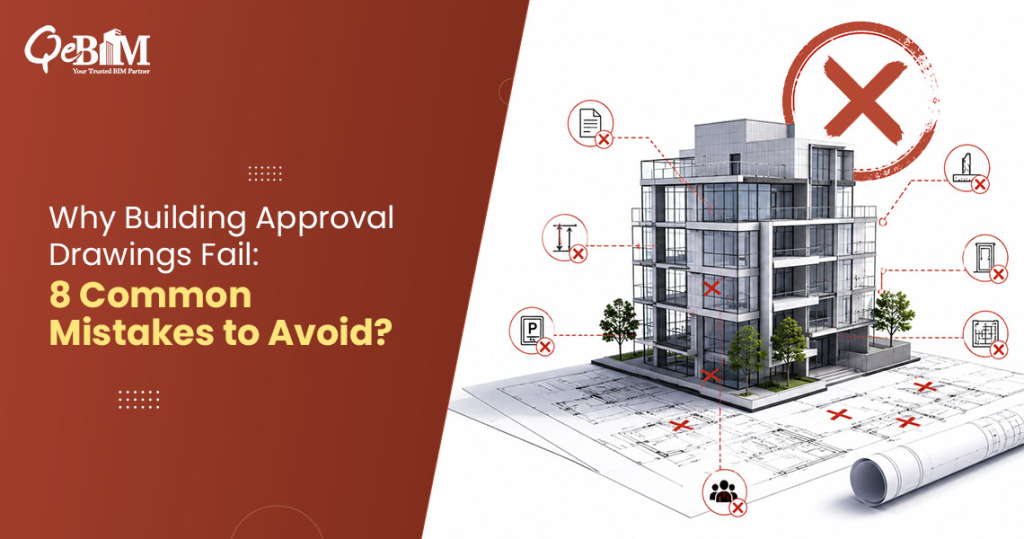
Introduction Securing building approval is a fundamental step in the construction process, ensuring a project is ready to proceed legally and safely. Before permits are…