Introduction
Planning approvals and permit submissions are critical milestones in every construction project. However, delays caused by incomplete documentation, design inconsistencies, code compliance issues and inefficient communications often extend approval timelines and impact project schedules. As regulatory requirements become more stringent and project complexity increases, BIM has emerged as a powerful solution that streamlines the approval process.
By providing intelligent, data-rich digital models, BIM enables architects, engineers, contractors and authorities to review projects with greater clarity, accuracy and confidence. This digital approach minimizes the revisions and accelerates the decision-making, ultimately supporting faster project delivery.
Why Traditional Permit Processes Face Delays?
Conventional permit submissions typically rely on multiple 2D drawings and disconnected documents.
These methods often leads to:
- Missing or inconsistent information
- Design conflicts between the disciplines
- Difficulty verifying code compliance
- Time-consuming manual reviews
- Multiple rounds of revisions and resubmissions
- Communication gaps among stakeholders
Such inefficiencies can significantly delay the construction commencement and increases the project costs.
How BIM Accelerates Planning Approvals?
- Centralized and Coordinated Project Information
BIM integrates architectural, structural and MEP information into a unified model. Since all disciplines work within a coordinated environment, inconsistencies are identified early thus resulting in more complete and reliable submission packages.
Regulatory authorities receive comprehensive documentation with reduced ambiguity thereby enabling quicker assessments.
- Improved Visualization for Review Authorities
Traditional drawings can be difficult for non-technical reviewers to interpret.
BIM provides:
- 3D visual representations
- Sections and elevations generated directly from the model
- Enhanced spatial understanding
- Clear depiction of building components
This visual clarity allows planning departments and permit reviewers to evaluate designs more efficiently and make informed decisions faster.
- Automated Documentation Generation
Since drawings are derived directly from the model, BIM ensures consistency across:
- Floor plans
- Elevations
- Sections
- Schedules
- Quantity information
Updates made to the model automatically propagates throughout the documentation set, eliminating discrepancies and reducing the likelihood of rejected submissions.
- Early Code Compliance Verification
Many BIM workflows embed the regulatory requirements into the design process. Designers can verify:
- Building heights and setbacks
- Occupancy classifications
- Fire safety requirements
- Accessibility standards
- Spatial clearances
- Area calculations
By identifying compliance issues before submission, teams minimizes revision cycles and improve approval efficiency.
- Clash Detection Minimizes Rework
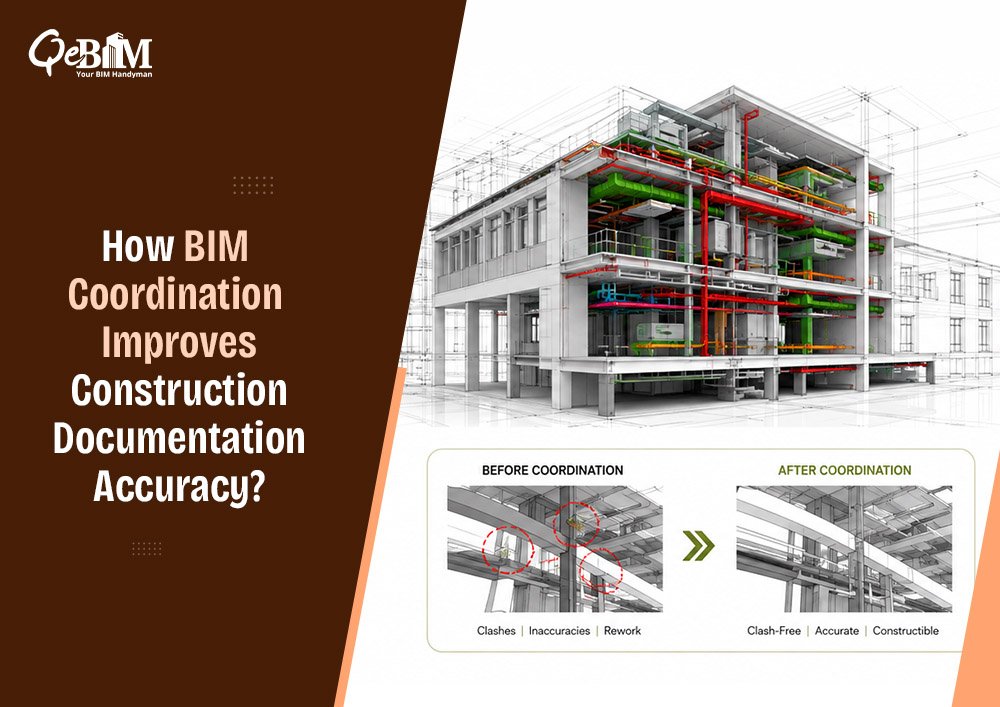
Conflicts between the architectural, structural and MEP systems are common reasons for permit modifications. BIM’s clash detection capabilities identify these interferences before documentation reaches authorities.
Resolving issues during design reduces:
- Change requests
- Resubmission requirements
- Construction delays
- Additional review periods
- Faster Preparation of Submission Packages
BIM facilitates the rapid production of:
- Permit drawings
- Site plans
- Material schedules
- Equipment layouts
- Area calculations
- Fire protection documentation
These deliverables maintain consistency and accuracy thus reducing administrative efforts and accelerating application readiness.
- Enhanced Collaboration Among Stakeholders
BIM enables AEC professionals to work within a common digital environment.
This collaborative approach:
- Improves communication
- Speeds up design approvals
- Reduces information silos
- Ensures all stakeholders review the latest model versions
As a result, submissions are better coordinated before reaching out to the regulatory authorities.
- Supporting Digital Approval Workflows
Many municipalities worldwide are adopting digital permitting systems and model-based reviews. BIM aligns seamlessly with these evolving processes through:
- IFC model exchange
- Cloud-based collaboration platforms
- Digital document management
- Data-rich asset information
These capabilities support more efficient interactions between project teams and approval agencies.
The Role of Working Drawings in Permit Success
Accurate construction documentation remains fundamental to obtaining approvals. Through intelligent model-based documentation, Working Drawing Services provide precise plans, elevations, sections and detailed schedules that satisfies the regulatory requirements while maintaining the consistency throughout the project lifecycle.
Well-structured working drawings reduces reviewer queries and contributes to faster permit clearances.
Benefits of BIM for Planning and Permit Approvals
Organizations implementing BIM can achieve:
- Faster approval cycles
- Reduced documentation errors
- Improved code compliance
- Fewer design revisions
- Enhanced stakeholder collaboration
- Better project transparency
- Lower rework costs
- Accelerated project commencement
How BIM Companies Adds Value?
An experienced BIM Company helps the project teams develop coordinated, code-compliant models and comprehensive documentation that support efficient permit submissions. By leveraging advanced modeling, clash detections and documentation workflows, BIM specialists enable the projects to progress from design to construction with greater speed and confidence.
Conclusion
As the construction industry moves towards digital project delivery, BIM is transforming how planning approvals and permit submissions are managed. Its ability to deliver coordinated models, automate documentation, improve visualization and enhance compliance significantly reduces approval timelines and minimizes costly revisions. Organizations embracing BIM are better positioned to navigate increasingly complex regulatory environments while achieving faster, more predictable project delivery.