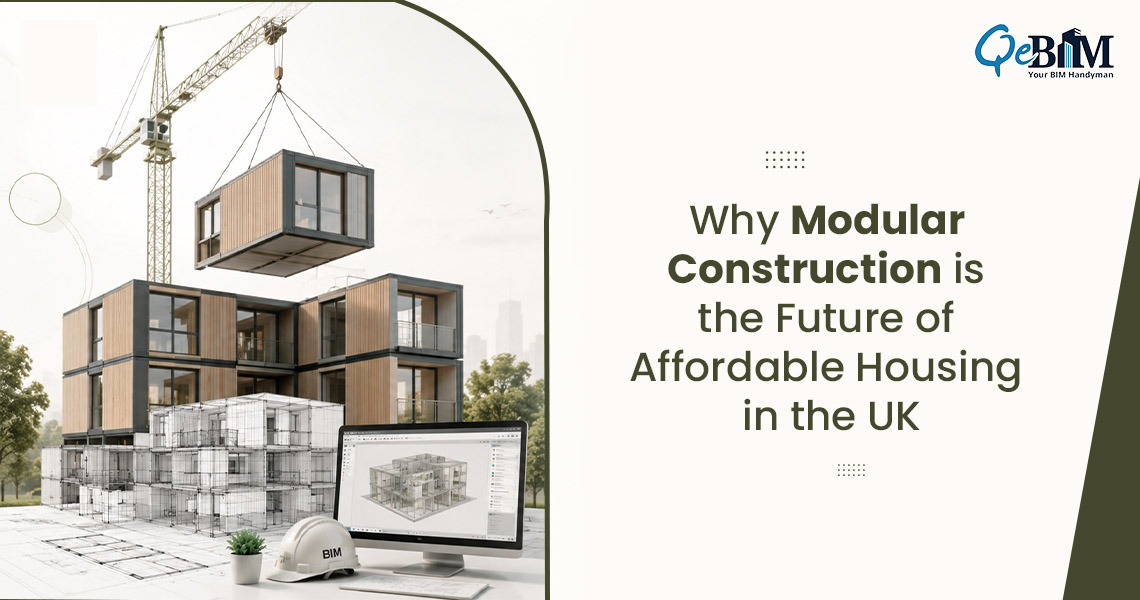
The UK housing crisis remains one of the most significant challenges confronting the construction and housing sectors today. Rising property prices, increasing demand for affordable housing, lengthy construction timelines and labor shortages have created a significant gap between the housing supply and demand.
To address this challenge, the UK Government has committed to delivering 1.5 million new homes during the current parliamentary term. However, achieving this ambitious target using the conventional construction methods alone may prove difficult.
As a result, modular construction is emerging as a practical and scalable solution capable of accelerating the housing delivery while maintaining the quality and affordability.
The Current State of the UK Housing Market
The housing shortage in the UK is substantial. According to recent government data, England added approximately 208,600 net new dwellings during 2024–25, significantly below the level required to meet long-term housing demand. The government estimates that over 300,000 homes needs to be delivered annually to address the shortage and meet the future demand.
At the same time, housing pressures continue to intensify:
- The pressure on affordable housing remains significant, as more than 1.34 million households are awaiting social housing allocation through local authorities in England, marking the highest figure since 2014.
- The UK Government continues to pursue its target of delivering 1.5 million homes, highlighting the urgent need for faster construction methods.
- Research indicates that the UK faces a housing shortfall of millions of homes compared to many comparable European nations.
These figures demonstrates that the traditional construction methods alone may struggle to close the housing gap quickly enough.
What is Modular Construction?
Modular construction involves producing sections of a building in a factory and then transporting them to the site for installation and assembly.
Unlike the traditional construction, where most activities occurs onsite, the modular construction shifts a significant portion of the work to factories, enabling greater efficiency, consistency and speed.
The process typically includes:
- Digital design and engineering
- Factory-based manufacturing
- Quality-controlled production
- Transportation of modules
- Rapid onsite installation and commissioning
This approach significantly reduces the construction timelines while improving the productivity.
Why Modular Construction is Gaining Attention in the UK?
- Faster Housing Delivery
Speed is one of the most compelling advantages of the modular construction.
Factory production and site preparation can occur simultaneously, reducing the overall project schedules by as much as 30–50% compared to the traditional methods. This enables the developers and housing authorities to deliver homes much faster thus helping them to address the urgent housing shortages.
As the UK strives to increase the housing supply, faster project completion could become a critical factor in meeting the national housing targets.
- Addressing Construction Labor Shortages
The UK construction sector continues to face workforce challenges, including an aging workforce and skilled labor shortages.
Modular construction reduces the dependence on large onsite labor teams because much of the work is completed within the controlled manufacturing facilities. This not only improves the productivity but also helps in mitigating the labor availability issues that frequently delays the projects.
- Improved Affordability
Housing affordability remains a major concern across the UK.
Factory-based production enables:
- Standardized processes
- Reduced material wastes
- Lower rework rates
- Better procurement efficiency
- Improved productivity
As a result, housing projects can be delivered more cost-effectively and at greater scale.
- Enhanced Quality Control
Traditional construction projects are often affected by the weather conditions, site constraints and varying workmanship standards.
Modular construction environments provides:
- Controlled manufacturing conditions
- Consistent quality checks
- Standardized assembly procedures
- Reduced defects and rework
This results in higher-quality housing units with improved durability and performance.
- Supporting Sustainability Goals
The UK’s drive toward achieving its Net Zero objectives is driving the demand for more sustainable construction practices.
Modular construction contributes by:
- Reducing material waste
- Lowering carbon emissions from site activities
- Improving energy efficiency
- Minimizing the transportation requirements through optimized logistics
Many modular housing projects are also designed to achieve high energy performance ratings, reducing the operational costs for occupants.
Real-World Momentum Behind Modular Housing
The UK government and housing agencies are increasingly recognizing the potential of Modern Methods of Construction (MMC), including modular housing.
Recent strategic initiatives from housing authorities and public-sector organizations have placed MMC at the center of efforts to accelerate housing delivery and achieve national housing targets. Significant public investment programs are also being directed towards innovative housing solutions and offsite construction methods.
Industry discussions and pilot projects across the UK continue to demonstrate how standardized modular housing systems can support the delivery of affordable homes while reducing the construction risks and project delays.
The Role of BIM in Successful Modular Construction
The success of modular projects is driven by accurate planning, coordination and digital collaboration.
This is where a reliable BIM Company plays a critical role.
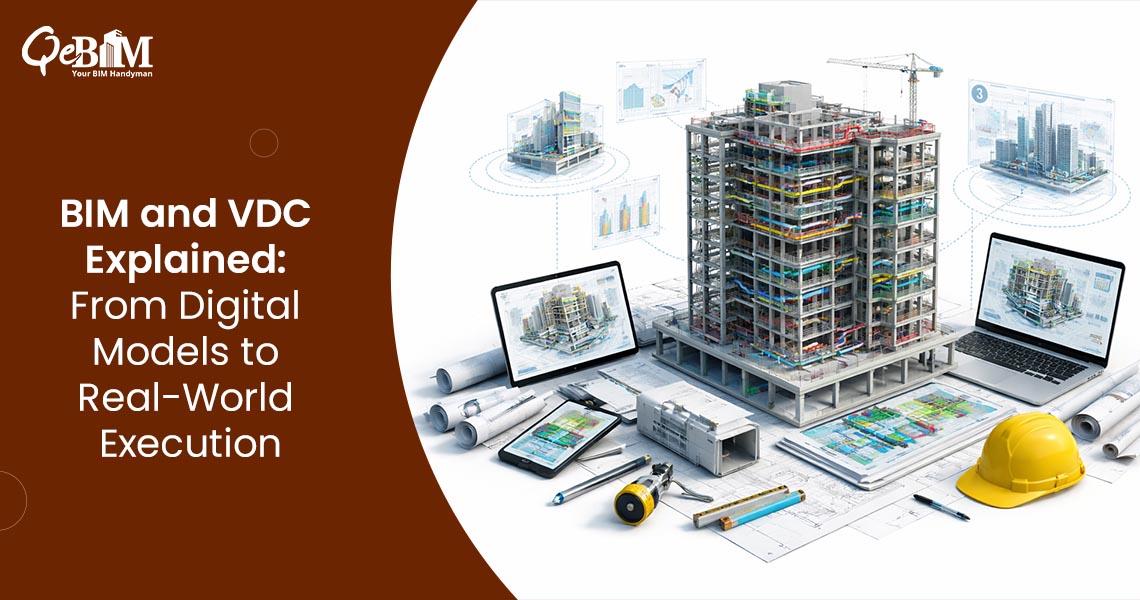
BIM enables the project teams to create highly detailed digital representations of the buildings before manufacturing begins. Through coordinated workflows, stakeholders can identify the design conflicts, optimize production processes and ensure that every module fits precisely during onsite assembly.
Advanced Revit BIM Services further enhance modular construction projects by enabling:
- Detailed fabrication-ready models
- Accurate quantity take-offs
- Clash detection and coordination
- Construction sequencing
- Improved collaboration among architects, engineers, manufacturers and contractors
The integration of BIM and modular construction creates a highly efficient project delivery model capable of reducing errors, accelerating schedules and improving project outcomes.
Challenges That Still Needs to Be Addressed
While modular construction offers significant advantages, several challenges remains:
- Limited manufacturing capacity
- Financing and lending barriers
- Supply chain scalability
- Standardization across the projects
- Regulatory and planning considerations
However, continued government support, industry investment and technological advancement are helping to overcome these barriers and expand the adoption across the housing sector.
Conclusion
The UK housing crisis requires innovative solutions capable of delivering homes faster, more efficiently and more affordably than the traditional construction methods alone.
Modular construction presents a compelling opportunity to bridge the housing supply gap by accelerating project delivery, addressing labor shortages, improving quality and supporting sustainability goals. When combined with BIM-driven workflows and digital construction technologies, modular housing can become a key driver in achieving the UK’s ambitious housing targets.
As demand for affordable and sustainable housing continues to grow, modular construction is no longer a future concept—it is becoming an essential part of the UK’s housing solution.