Renovation projects often appears straightforward on paper. However, the reality inside the existing buildings is far more complex. Over the time, structures evolve through multiple modifications, undocumented changes and maintenance interventions. Walls are shifted, utilities are rerouted and equipment is replaced without always updating the original drawings.
This gap between what was designed and what actually exists can lead to significant challenges during the renovation. This is where accurate as-built documentation becomes indispensable.
Before any renovation begins, as-built drawings provide a reliable representation of the existing building conditions. They capture the actual dimensions, locations of structural components, mechanical systems and architectural elements thus ensuring that renovation decisions are based on facts rather than just assumptions.
All About As-Built Drawings
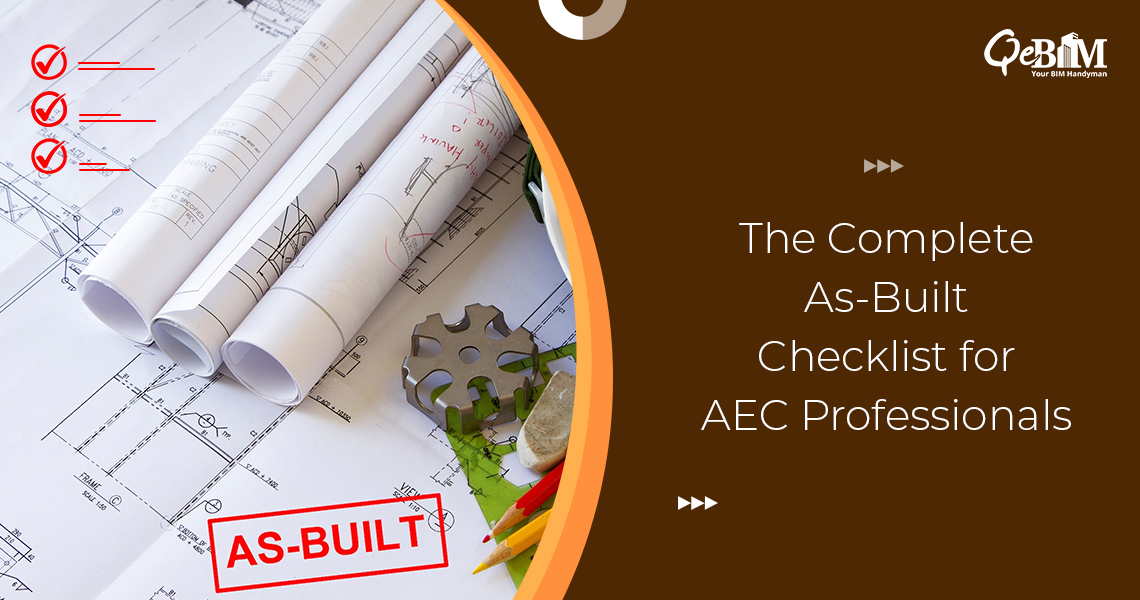
As-built drawings are the revised architectural and engineering drawings that reflects the actual conditions of a building after the construction or modifications. Unlike the design drawings, which represents the original intent, as-built drawings documents how the structure was ultimately built.
They typically include:
- Actual dimensions and structural layouts
- Positions of columns, beams along with the load-bearing walls
- HVAC, electrical and plumbing system placements
- Doors and windows modifications
- Equipment installations and service routes
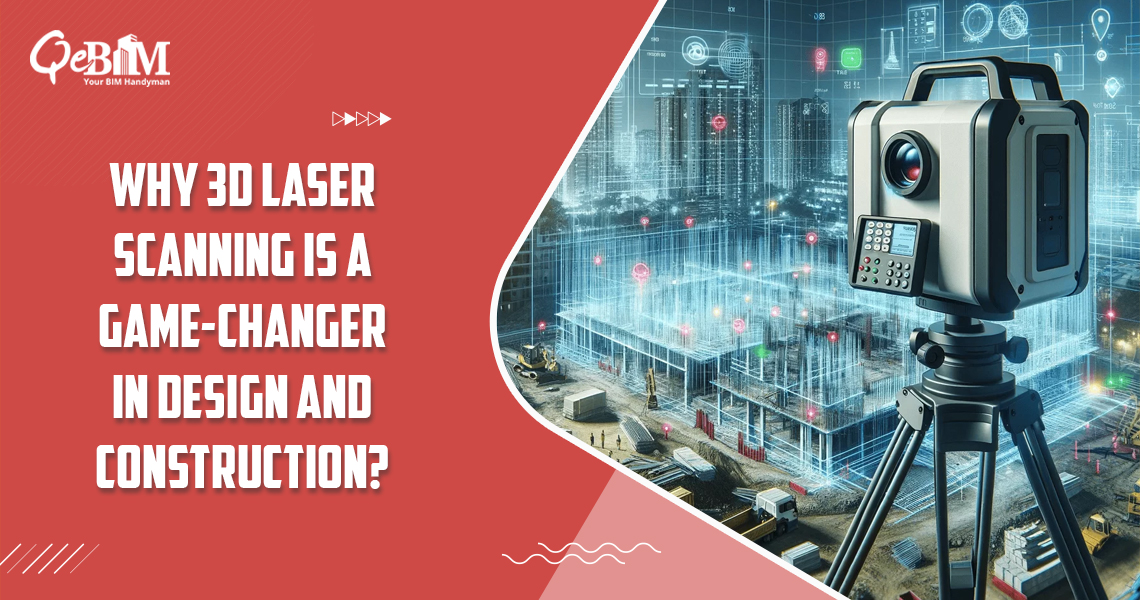
Organizations offering As Built Drawing Services helps to create these accurate records using the site measurements, laser scanning and digital documentation methods.
The Hidden Risks of Renovating Without As-Built Documentation
Many renovation projects run into costly delays because decisions are made using the outdated or incomplete drawings.
- Structural Conflicts
When contractors rely on the old design drawings, they may unknowingly cut into the structural elements or load-bearing walls that were modified during previous renovations.
Without accurate as-built data, teams risk:
- Structural damage
- Safety hazards
- Additional engineering redesigns
Even the minor discrepancies in dimensions can lead to major coordination issues during the construction.
- MEP System Surprises
Mechanical, electrical and plumbing systems often undergo the most undocumented changes over a building’s lifecycle.
During renovation, teams frequently discover:
- Hidden pipes or conduits inside walls
- Rerouted electrical systems
- Modified ductwork layouts
These unexpected discoveries typically leads to construction delays, RFIs and change orders, increasing both time and cost.
- Budget Overruns and Project Delays
According to industry reports, rework in construction can account for 5–15% of total project costs and a significant portion of it is caused by inaccurate or outdated documentation.
When teams lack reliable as-built drawings:
- Demolition may expose unexpected structural elements
- Design revisions may be required mid-project
- Contractors may need to halt work for clarification
Each of these factors can significantly impact renovation schedules.
How As-Built Drawings Enable Smarter Renovation Planning?
Accurate as-built documentation provides the foundation for data-driven renovation decisions.
- Accurate Design Integration
Architects and engineers can plan renovation layouts with confidence when they understand the building’s true conditions.
This ensures:
- New designs align with the existing structures
- Renovations avoid the structural conflicts
- Space planning becomes more efficient
- Improved Coordination Between Disciplines
Renovation projects require close coordination between architectural, structural and MEP teams.
With reliable documentation:
- Engineers can map new systems around the existing infrastructure
- Contractors can plan demolition safely
- Project managers can reduce the coordination conflicts
- Reduced RFIs and Change Orders
When teams have access to accurate existing-condition data, they encounter fewer surprises during construction.
This helps:
- Reduce Requests for Information (RFIs)
- Minimizes on-site redesigns
- Improves project predictability
The Role of BIM in As-Built Documentation
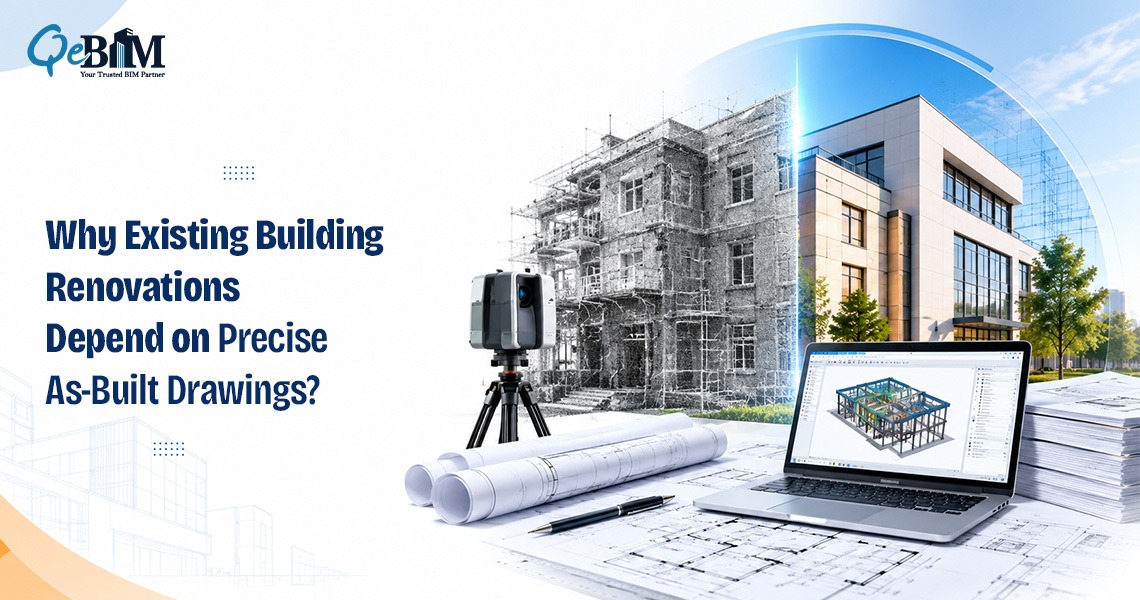
Modern renovation projects are increasingly adopting As Built BIM Services to create intelligent digital models of the existing buildings.
Using technologies such as laser scanning and point cloud data, BIM models replicate the building in a 3D digital environment. This offers a far more comprehensive understanding of the structure compared to the traditional 2D drawings.
Benefits include:
- Accurate 3D visualization of existing conditions
- Clash detection before the construction begins
- Better planning for retrofits and upgrades
- Long-term digital documentation for facility management
For complex renovations—especially in hospitals, commercial buildings and industrial facilities—BIM-based as-built models significantly improves the project coordination.
Renovation Scenarios Where As-Built Drawings Are Essential
As-built documentation becomes particularly critical in projects such as:
- Commercial office renovations where multiple MEP systems overlaps
- Healthcare facility upgrades requiring precise system coordination
- Industrial plant retrofits involving complex mechanical infrastructure
- Historic building renovations where the structural conditions may vary from the original designs
In these environments, accurate documentation ensures that the renovation work proceeds safely and efficiently.
Conclusion
Renovation projects are inherently more unpredictable than any new construction because they rely on the existing conditions of a building. Without accurate documentation, many teams risks encountering the structural conflicts, hidden utilities and costly delays.
As-built drawings eliminate this uncertainty by providing an accurate representation of the building’s existing conditions. They allow the AEC professionals to plan renovations with confidence, reduce project risks and ensure better coordination across disciplines.
Investing in precise as-built documentation before renovation is not just a technical step—it is a strategic decision that can determine the overall success, efficiency and safety of the entire project.